• The Challenge: The"Aggressive" Environment

    Building an indoor pool is a battle against moisture. The air is warm,
    humid, and laden with chemicals. If that moisture vapour passes through your
    walls or roof, it condenses inside the structure.

    • The Risk: Rotting timber frames, rusting steel, and crumbling insulation within months of opening.
    • The Failure Point: Traditional paper
      membranes rely on tape. In the humid heat of a pool hall, glues can degrade, tapes can lift, and overlaps become leak points


  • The Solution: Passive Purple(Standard)

    Passive Purple acts as a monolithic, bulletproof vest for your building's structure.

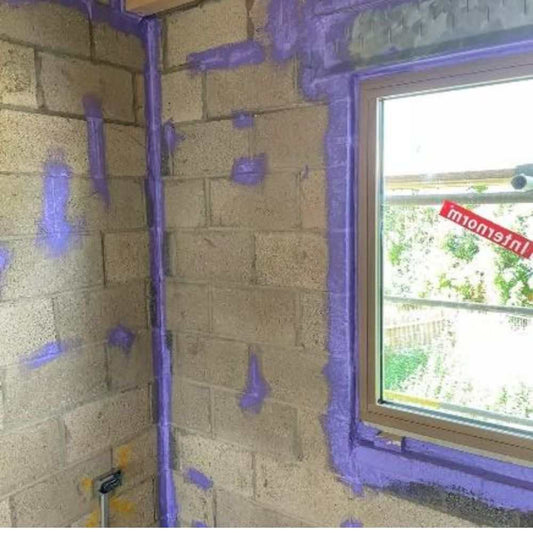
    Because it is applied as a liquid, it dries into a single, continuous rubber-like skin. There are no joints to fail. It chemically bonds to the surface, creating an impenetrable barrier that stops moisture migration dead.

    Why Pool Builders Switch to Liquid

    1. Complex Shapes: Pool halls often feature vaulted ceilings, curved roofs, or complex ductwork for dehumidifiers. Taping sheets around these is nearly impossible. Painting them with Passive Purple is easy.
    2. Chemical Resistance: Once cured, the membrane is tough and durable, designed to withstand the harsh internal environment of a pool.
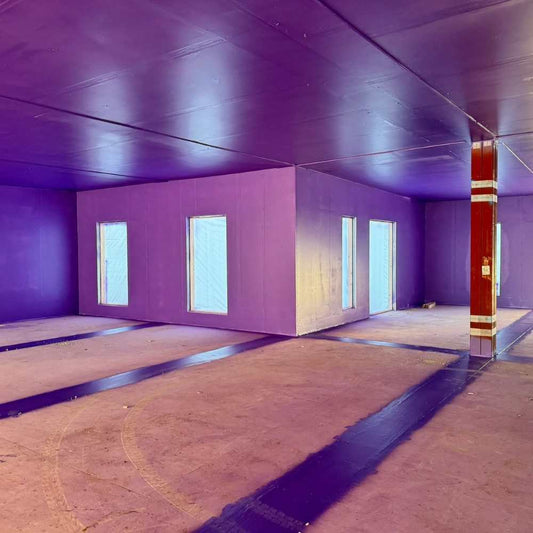
    3. Visual Peace of Mind: It dries Purple. You can stand back and visually verify that every inch of the room is sealed before you cover it up.
  • CRITICAL: The Thickness Rule

    Please read this section carefully.

    Passive Purple is fully certified for use in swimming pools, BU the application method is different from a standard house.

    To handle the extreme vapour pressure of a pool hall, Passive Purple must be applied at a greater thickness than standard.

    • Standard Build: Standard coverage rates apply.
    • Swimming Pool: You must apply a thicker coat to achieve a higher specific vapour resistance.
    • How to Verify: You must use a Wet Film Gauge during application to ensure you are hitting the required
      micron thickness specified in our technical datasheet.

    Do not guess. Measure.

  • Important: Which Product?

    Use:Passive Purple (Internal / Standard) This is the correct formulation for high-humidity indoor environments.

    Do NOT Use:Passive Purple X While Passive Purple X is great for fire ratings, it is no designed for the specific vapour dynamics of a swimming pool hall. Stick to the classic Passive Purple.

Application Guide for Pools

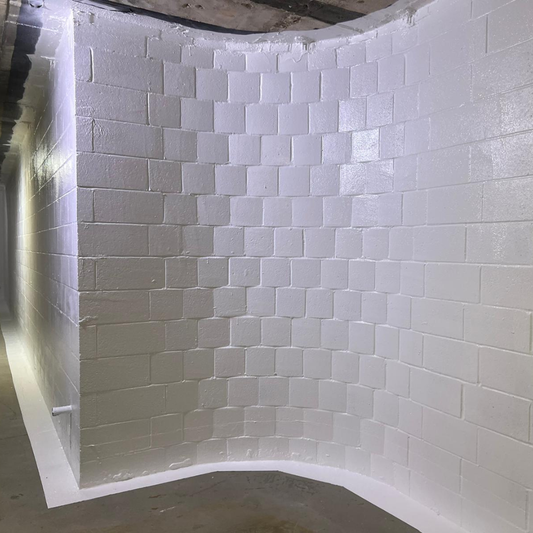
  1. Surface Prep: Ensure blockwork, concrete, or timber is clean and dust-free.
  2. The "Pool Spray": Apply Passive Purple using an airless sprayer for the best finish.
  3. Gauge Check: Stop regularly and check
    the wet film thickness. If it's too thin, go over it again immediately.
  4. Cure: Allow to dry to its signature Purple finish.
  5. Finish: You can now install your battens, insulation, or specialist pool-grade plaster finishes.

Protect Your Structure Forever

A swimming pool is a luxury investment. Don't let cheap vapour control ruin it from the inside out. Use the product trusted by high-end pool builders.